


Aviation Logistics: Career Opportunities in Air Cargo and Supply Chain Management
Posted on :27/09/2026
Choosing the right course is only the first step towards building a successful career. What truly makes a difference is how well students are prepared for the workplace. Today, companies are looking for candidates who have practical knowledge, professional skills, and the confidence to perform real job responsibilities.
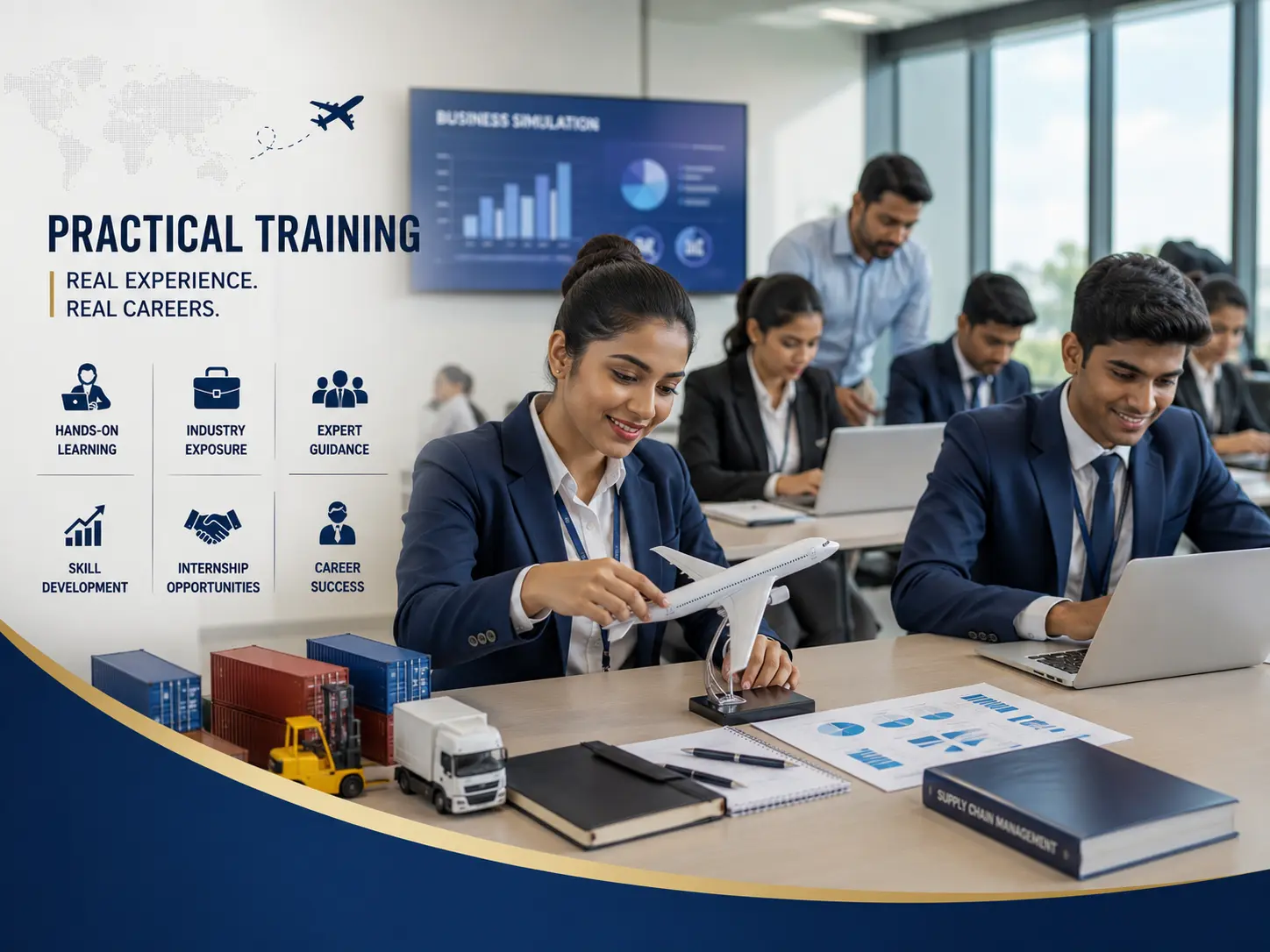
This is why practical training has become one of the most important parts of modern education. Instead of learning only through textbooks, students now benefit from hands-on learning, industry exposure, real-world projects, and workplace-oriented training.
Students searching for job-oriented courses in Kochi often look for institutes that provide practical learning because it helps them become industry ready from the beginning of their careers.
In this blog, you will understand why practical training is important, how it improves career opportunities, and how industry-integrated learning prepares students for long-term professional success.
Keywords: Practical Training in Kochi, Job Oriented Courses in Kochi, Best Accounting Course in Kochi, Best Logistics Institute in Kochi, Aviation Training Institute in Kochi
Practical training is a learning approach where students apply classroom knowledge in real-world situations.
Instead of focusing only on theory, students gain experience through:
This approach helps students understand how work is performed in professional environments.
Companies today expect employees to be productive from their first day at work.
Practical training helps students:
Students who receive practical training often adapt to their careers more quickly.
Traditional learning mainly focuses on concepts and classroom teaching.
Practical learning focuses on applying those concepts in real work situations.
Theory helps students understand the subject.
Practical training helps students understand how the subject is used in professional careers.
A combination of both creates better career opportunities.
Practical learning prepares students for the expectations of modern industries.
Students develop:
These skills help students perform better during interviews and in their careers.
Aviation industry requires professionals who understand real operational environments.
Practical aviation learning may include:
Students gain confidence before entering professional aviation careers.
Logistics is a practical industry where students need operational knowledge.
Practical learning helps students understand:
Students also learn how logistics operations work in real business environments.
Accounting education becomes more effective when students work with practical business scenarios.
Students gain experience in:
Practical accounting knowledge improves employability.
Industry-integrated learning connects classroom education with workplace expectations.
Students benefit from:
This approach helps students become career ready before completing their courses.
Business simulation allows students to experience practical workplace situations.
It helps students:
Simulation-based learning creates a better understanding of professional work environments.
Practical training is not limited to technical knowledge.
Students also improve:
Communication skills play an important role in career success.
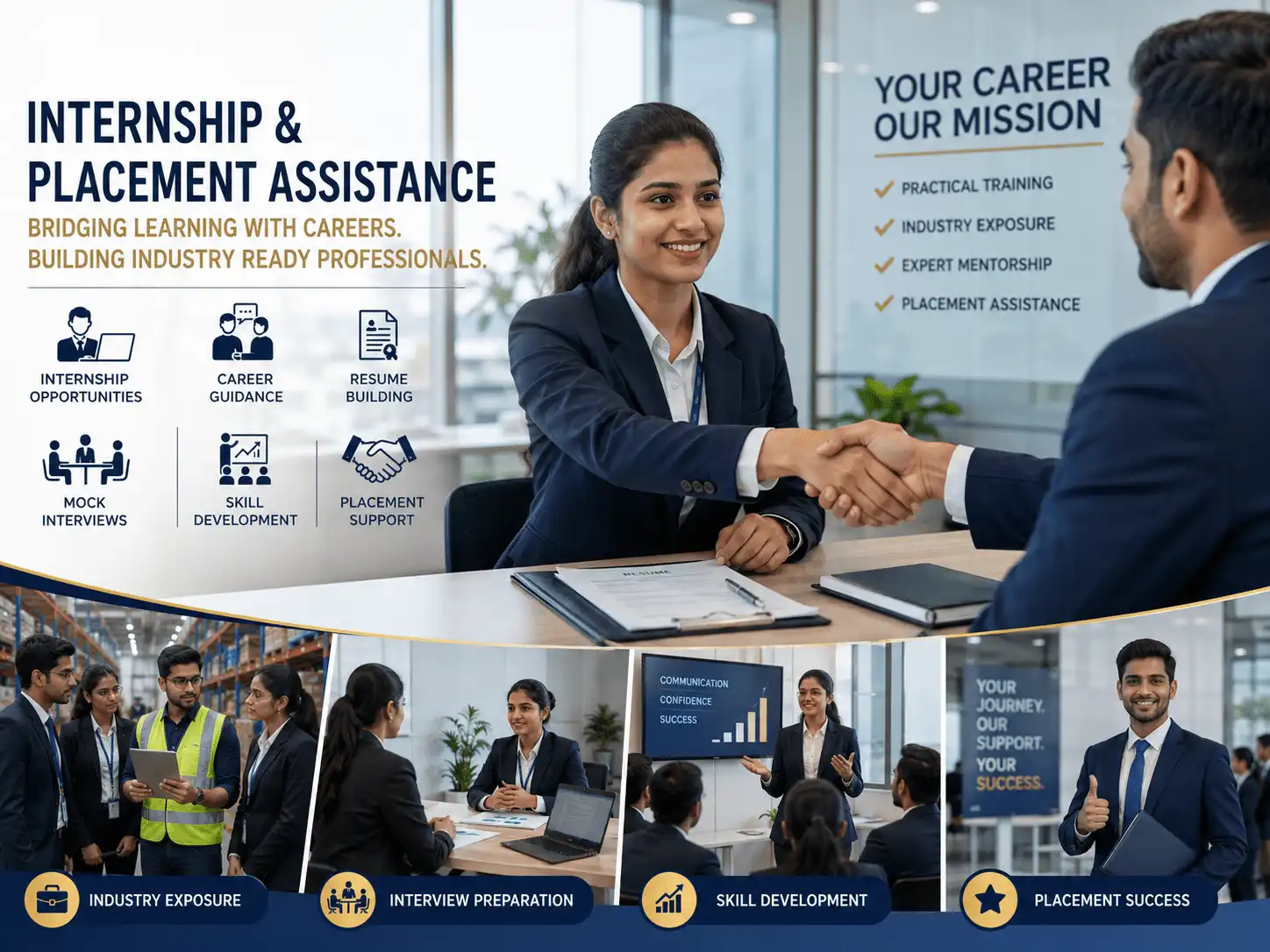
Internships provide students with valuable workplace exposure.
Benefits include:
Internships also help students understand employer expectations.
Companies prefer candidates who already understand workplace environments.
Practical learning helps students:
This improves placement opportunities.
Modern businesses value employees who can:
Practical training helps students develop these qualities before joining their first job.
Kochi is becoming a preferred destination for career-focused education because students receive:
This helps students build professional careers across different industries.
Students who complete industry-oriented programs can build careers in:
Practical knowledge helps students perform confidently across multiple industries.
Practical learning does not only help students get their first job.
It also helps them:
This creates a strong foundation for long-term career success.
Practical training has become an essential part of modern education. Students who gain real-world exposure, industry knowledge, communication skills, and practical experience are better prepared for successful careers.
Whether you choose aviation, logistics, accounting, or office administration, practical learning helps you become confident, skilled, and industry ready.
If you are planning your future, choose a course that combines classroom education with practical training and career-focused learning.
Practical training helps students apply classroom knowledge in real workplace situations, improving confidence and job readiness.
Yes. Students with practical knowledge are generally better prepared for interviews and professional responsibilities.
Many professional courses in aviation, logistics, accounting, and office administration include practical learning and industry-oriented training.
Practical learning improves technical skills, communication, confidence, and workplace understanding.
Industry-integrated courses combine theoretical knowledge with practical exposure, helping students become job ready and build successful careers.
Looking for a course that offers practical training and industry-oriented learning?
Choose a professional institute that focuses on practical knowledge, career readiness, and placement support to help you build a successful future.