


Airport Passenger Handling Course in Kerala: Eligibility and Career Scope
Posted on :31/10/2026
The aviation industry offers exciting career opportunities beyond becoming a pilot or cabin crew member. Every day, airports depend on skilled ground handling professionals to support aircraft operations, passenger services, baggage movement and cargo handling.
From assisting passengers at check-in counters to coordinating baggage loading and aircraft turnaround activities, ground handling professionals play an important role in keeping airport operations organised and efficient.
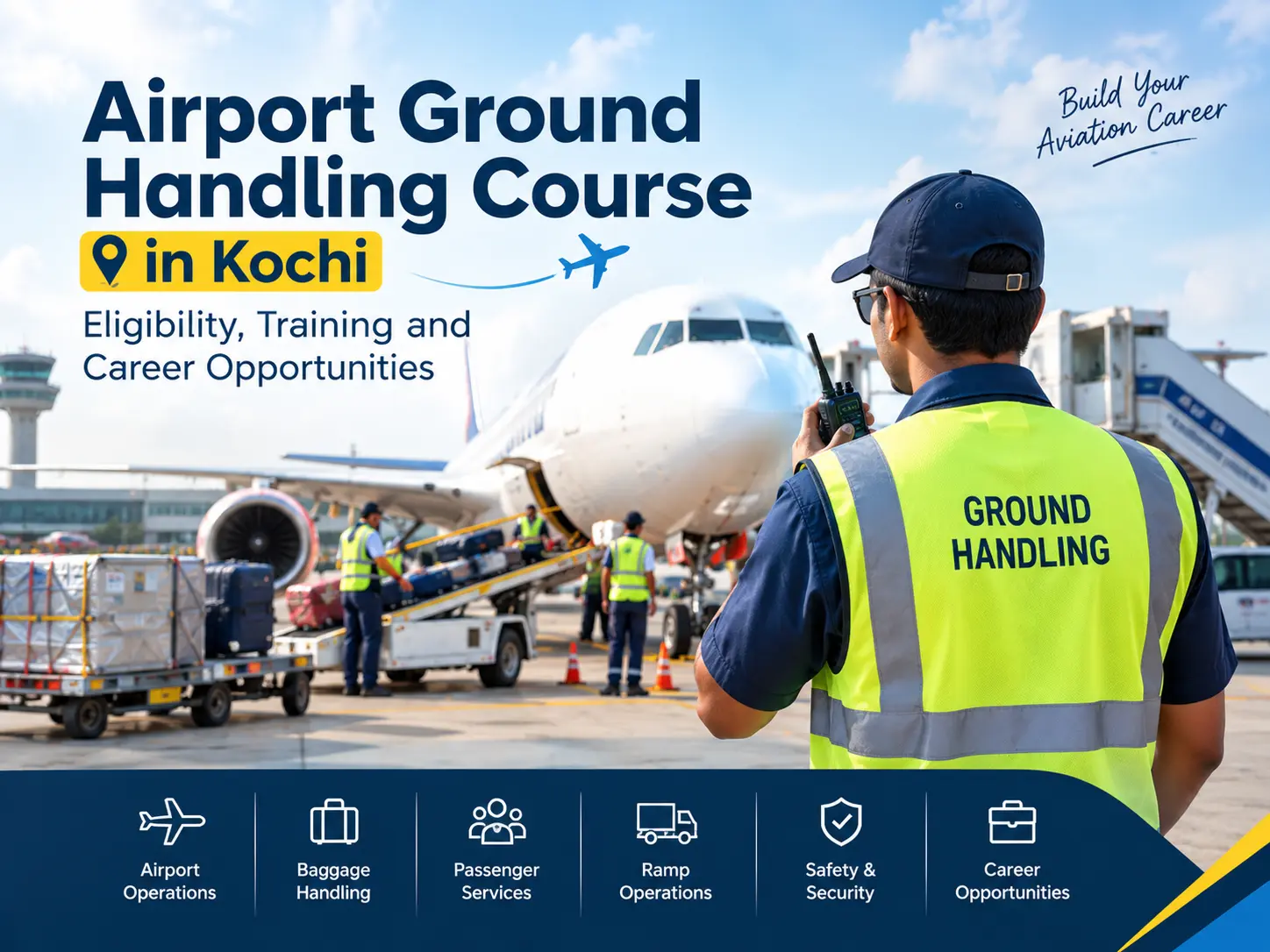
For students and graduates interested in aviation, an Airport Ground Handling Course in Kochi can be a useful starting point to understand airport operations, passenger services, aircraft handling and aviation safety.
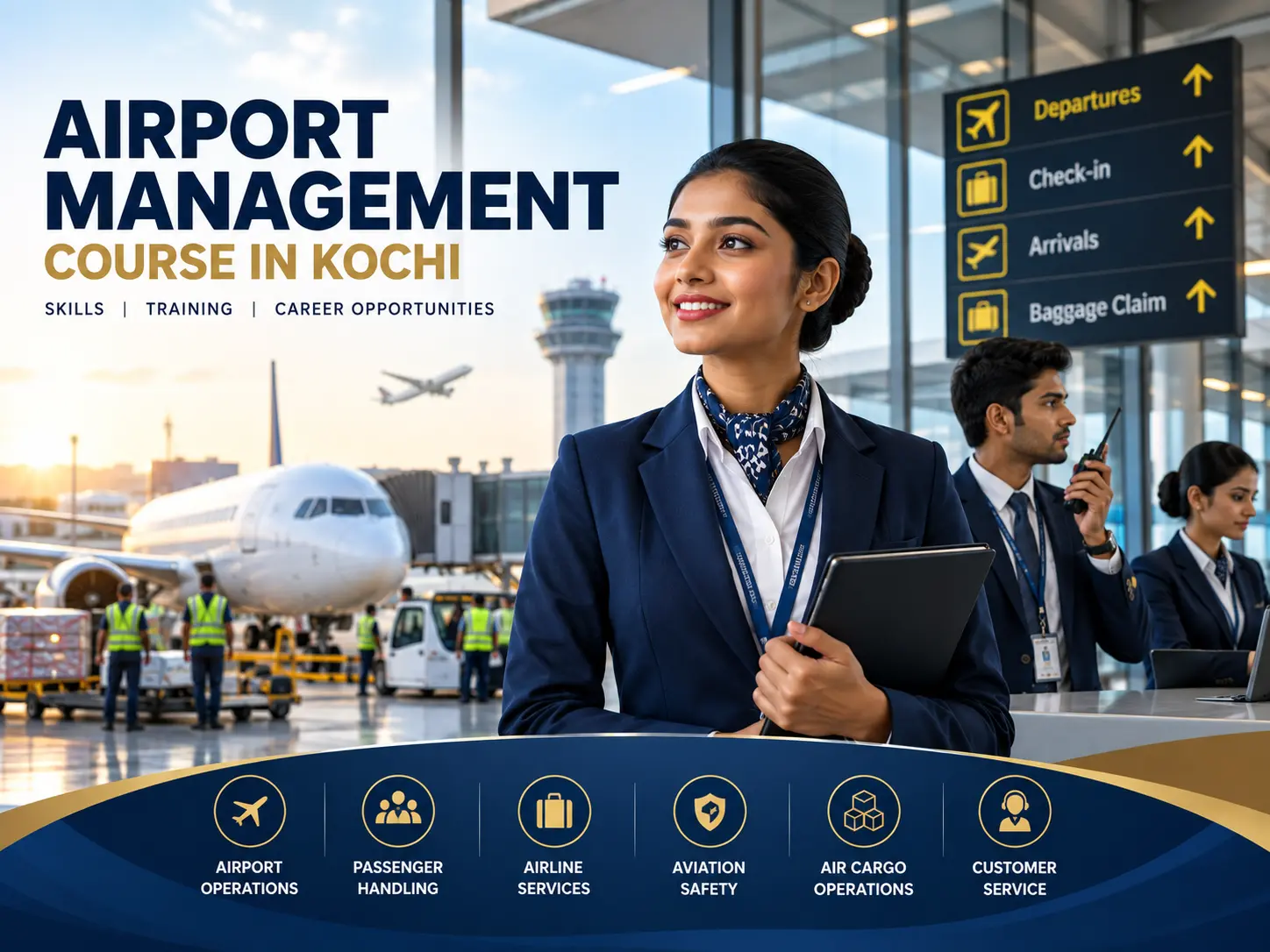
Students exploring an Airport Management Course in Kochi can also develop an understanding of terminal operations, airport services and operational coordination. Choosing the right programme involves looking at the course syllabus, eligibility, practical training and career opportunities.
At URBX Pilot and Aviation Academy, students can explore the International Diploma in Airport and Aircraft Handling, a programme that covers airport operations, passenger handling, terminal management, airside activities, safety and aircraft handling.

Airport ground handling refers to the services and activities carried out on the ground to support aircraft before departure and after arrival.
These activities help ensure that passengers, baggage, cargo and aircraft are handled according to operational requirements.
Ground handling involves coordination between different airport teams, airline personnel and ground service providers.
The main areas of airport ground handling include:
Ground handling connects several important parts of aviation operations. Efficient coordination between these teams helps support smooth airport operations and timely aircraft departures.
Every flight requires several ground activities before an aircraft is ready for departure. After landing, additional activities are needed to prepare the aircraft for its next operation.
Ground handling teams support these processes by coordinating passenger services, baggage movement, cargo handling and other assigned ground activities.
For example, passenger service teams assist travellers during check-in and boarding. Baggage handling teams manage the movement of luggage, while ramp personnel support aircraft turnaround activities and follow airside safety procedures.
These responsibilities require teamwork, communication, attention to detail and a clear understanding of operational procedures.
For students interested in the practical side of aviation, ground handling offers an opportunity to explore careers connected to airport services and aircraft operations.
An airport ground handling course introduces students to the procedures, responsibilities and operational activities involved in airport ground services.
Depending on the programme, students may learn about aviation fundamentals, passenger handling, baggage management, ramp operations, cargo handling, airport safety and aircraft turnaround procedures.
The objective is to develop an understanding of how different airport departments work together to support daily aviation operations.
When selecting an Airport Ground Handling Course in Kochi, students should consider the programme’s eligibility requirements, course duration, syllabus, practical learning opportunities and internship structure.
Eligibility depends on the institution and the specific aviation programme.
Some aviation courses accept students who have completed Plus Two, while specialised diploma programmes may require a bachelor’s degree.
Students should choose a programme that matches their current educational qualification.
The International Diploma in Airport and Aircraft Handling offered by URBX Pilot and Aviation Academy is intended for graduates from any stream.
Students who have completed a bachelor’s degree can explore this programme if they meet the other admission requirements.
The stated age range for the International Diploma in Airport and Aircraft Handling is 20 to 27 years.
Students should check the applicable admission criteria before enrolling.
Ground handling professionals interact with passengers, airline employees and airport operations teams.
Good communication skills can help students prepare for passenger-facing responsibilities and operational coordination.
Students who enjoy practical work, teamwork and organised operational environments may find airport ground handling an interesting career area.
The field requires employees to follow procedures, work according to schedules and pay attention to safety.
Airport and aircraft handling programmes can cover several areas of aviation operations. The exact subjects depend on the course structure.
Students learn about the aviation industry, airport facilities, airline operations and the responsibilities of different aviation service providers.
Understanding these fundamentals helps students see how ground handling contributes to the overall airport operating system.
Passenger handling focuses on assisting travellers throughout their airport journey.
Training may cover:
These skills are relevant to passenger service and airport customer support roles.
Baggage handling involves the movement of passenger luggage through airport systems.
Students can develop an understanding of baggage acceptance, sorting, transfer and delivery processes, as well as the importance of accurate handling and coordination.
Baggage operations require attention to detail and cooperation between different teams.
Ramp operations take place in the aircraft parking and servicing area.
Ground personnel may support aircraft turnaround, coordinate ground service activities and follow airside safety procedures as part of their assigned responsibilities.
Learning about ramp operations helps students understand how different ground teams work together around an aircraft.
Aircraft turnaround refers to the activities carried out between an aircraft’s arrival and its next departure.
These activities may involve coordination between ground handling teams, baggage services, passenger services and other airport departments.
The process requires careful planning, clear communication and compliance with operational and safety procedures.
Cargo handling involves the movement and processing of goods through airport cargo facilities.
Students may learn about cargo handling procedures, warehouse activities, documentation and coordination between cargo teams.
This area can also be relevant to students interested in air cargo and aviation logistics careers.
Safety is a fundamental part of airport ground handling.
Students can develop an understanding of airside safety, aviation security procedures, emergency response and the importance of following established operating instructions.
These concepts help prepare students to understand their responsibilities in an aviation working environment.
Practical learning helps students connect classroom knowledge with the operational requirements of the aviation industry.
Airport ground handling involves coordination, procedures, teamwork and safety awareness. Understanding how these activities work in a professional environment can help students prepare for future responsibilities.
Practical learning may include demonstrations, case studies, simulations, operational exercises and industry exposure, depending on the programme.
An internship gives students an opportunity to gain exposure to a professional working environment and understand how aviation teams perform their responsibilities.
Internship experience can help students develop knowledge of:
The International Diploma in Airport and Aircraft Handling at URBX Pilot and Aviation Academy has a 12-month structure comprising nine months of classroom training and a three-month industry-based internship.
This combination helps students connect theoretical learning with exposure to workplace practices.
Airport ground handling can lead to different career pathways within airport services, airline operations and aviation support.
Depending on their qualification, practical experience and employer requirements, students may explore positions such as:
Job responsibilities and eligibility requirements vary between employers. Some positions may require additional training, relevant certifications or operational experience.
Completing a course does not guarantee employment. Students should focus on developing relevant skills and understanding the requirements of the positions they wish to pursue.
A ground services executive supports assigned airport ground operations.
Depending on the position, responsibilities may include assisting passengers, coordinating baggage movement, supporting ground service activities and communicating with operational teams.
The role requires attention to safety, an understanding of procedures and the ability to work with colleagues from different departments.
Ground services professionals may work with airlines, airport service providers or ground handling companies.
An airport operations executive supports the coordination of day-to-day airport activities.
Responsibilities may include monitoring assigned operations, maintaining records, communicating with relevant teams and supporting compliance with airport procedures.
The exact duties depend on the organisation and department.
Students interested in operational coordination and airport services may consider this as a potential career pathway.
A cargo operations executive supports the handling and movement of goods through cargo facilities.
Depending on the position, responsibilities may include shipment coordination, cargo documentation, warehouse activities and communication with logistics teams.
Students interested in both aviation and logistics can explore this area as another career option.
Technical knowledge is important, but professional skills also play a major role in airport ground handling.
Ground handling professionals communicate with passengers, colleagues and other operational teams.
Clear communication helps teams coordinate activities and respond to operational requirements.
Airport operations depend on different teams completing their assigned tasks.
The ability to cooperate with colleagues, follow instructions and coordinate activities is essential.
Aircraft and airport operations follow schedules. Employees must understand the importance of completing assigned tasks within operational timelines while maintaining safety.
Ground handling may involve passenger information, baggage, cargo and operational documentation.
Accuracy and careful attention to procedures help support reliable operations.
Operational situations may change unexpectedly. Employees need to communicate clearly, follow established procedures and escalate issues to the appropriate personnel.
Punctuality, customer service, workplace discipline and professional presentation can be important depending on the role.
Students can develop these skills through structured learning, practical activities and industry exposure.
Airport ground handling and airport management are related fields, but their responsibilities differ.
| Airport Ground Handling | Airport Management |
| Focuses on ground services and aircraft support activities | Covers a broader range of airport operations and management |
| Includes baggage, ramp and passenger handling | May include terminal operations, planning and coordination |
| Involves operational procedures and team coordination | Can include administration and resource planning |
| Often involves hands-on operational responsibilities | Responsibilities depend on the management role |
| Requires knowledge of ground handling and safety procedures | Requires broader knowledge of airport systems and operations |
Students interested in hands-on ground operations may prefer to explore ground handling programmes. Those interested in broader airport operations and coordination can also consider airport management programmes.
The right choice depends on educational qualification, career interests and the programme’s curriculum.
Choosing the right course involves more than comparing course names. Students should understand what they will learn and how the programme supports their career goals.
Look for subjects related to airport operations, passenger handling, baggage management, ramp activities, cargo handling and aviation safety.
The curriculum should match the type of aviation work you want to explore.
Check the educational qualification and age requirements before applying.
This is particularly important when comparing programmes designed for Plus Two students with specialised diplomas intended for graduates.
Compare the classroom training period, practical learning and internship duration.
Understanding the course structure helps students plan their education and career pathway.
Check what practical activities, demonstrations, simulations or industry exposure are included in the programme.
Practical learning can help students understand how aviation procedures are applied in real working environments.
Find out whether the programme includes career guidance, resume preparation, interview training or placement assistance.
Understand the type of support available and remember that employment depends on individual qualifications, performance and employer requirements.
Review the programme’s awarding institution, qualification details and any applicable affiliation or recognition.
Choosing a programme with clear qualification information helps students make an informed decision.
Students looking for aviation training in Kochi can explore the International Diploma in Airport and Aircraft Handling offered by URBX Pilot and Aviation Academy.
The programme covers airport and aircraft handling, terminal operations, airside and landside activities, passenger handling, safety procedures and emergency response.
Its 12-month structure includes nine months of classroom training followed by a three-month industry-based internship.
For students who meet the admission requirements and want to understand airport ground operations, this programme provides a pathway to explore airport handling and related aviation service careers.
Students can also explore the Best Aviation Institute in Kochi to learn about aviation education options and related programmes.
Airport ground handling is an important part of aviation operations, covering passenger services, baggage handling, ramp activities, cargo movement and aircraft turnaround coordination.
For students and graduates interested in working in aviation, an airport ground handling course can help build an understanding of airport procedures, safety requirements and professional responsibilities.
Before choosing an Airport Ground Handling Course in Kochi, compare the eligibility criteria, curriculum, course duration, practical training, internship structure and career support.
URBX Pilot and Aviation Academy’s International Diploma in Airport and Aircraft Handling is an option for eligible graduates interested in airport and aircraft handling.
Developing relevant knowledge, communication skills and practical experience can help students prepare for opportunities across airport services and aviation operations.
An airport ground handling course introduces students to airport ground operations, including passenger handling, baggage management, ramp operations, cargo handling and aircraft turnaround procedures.
Students can explore the International Diploma in Airport and Aircraft Handling at URBX Pilot and Aviation Academy in Kochi. They can also explore the Best Aviation Institute in Kochi for information about aviation education options.
The programme is intended for graduates from any stream, with a stated age range of 20 to 27 years. Applicants should meet the applicable admission requirements.
The programme has a total duration of 12 months, including nine months of classroom training and a three-month industry-based internship.
Subjects may include aviation fundamentals, passenger handling, baggage management, ramp operations, cargo handling, airside safety, aviation security and emergency response.
Depending on your qualification and the employer’s requirements, possible roles include Ground Services Executive, Passenger Services Executive, Cargo Operations Executive, Airport Operations Executive and Ramp Operations Personnel.
Yes. Practical training helps students understand operational procedures, safety requirements, teamwork and the responsibilities involved in airport ground handling.
No. Completing a course does not guarantee employment. Recruitment depends on employer requirements, qualifications, skills, experience and available vacancies.
No. Ground handling focuses on ground services and aircraft support activities, while airport management covers a broader range of airport operations and management responsibilities.
Compare the curriculum, eligibility, course duration, practical training, internship structure, qualification details and career support before making a decision.